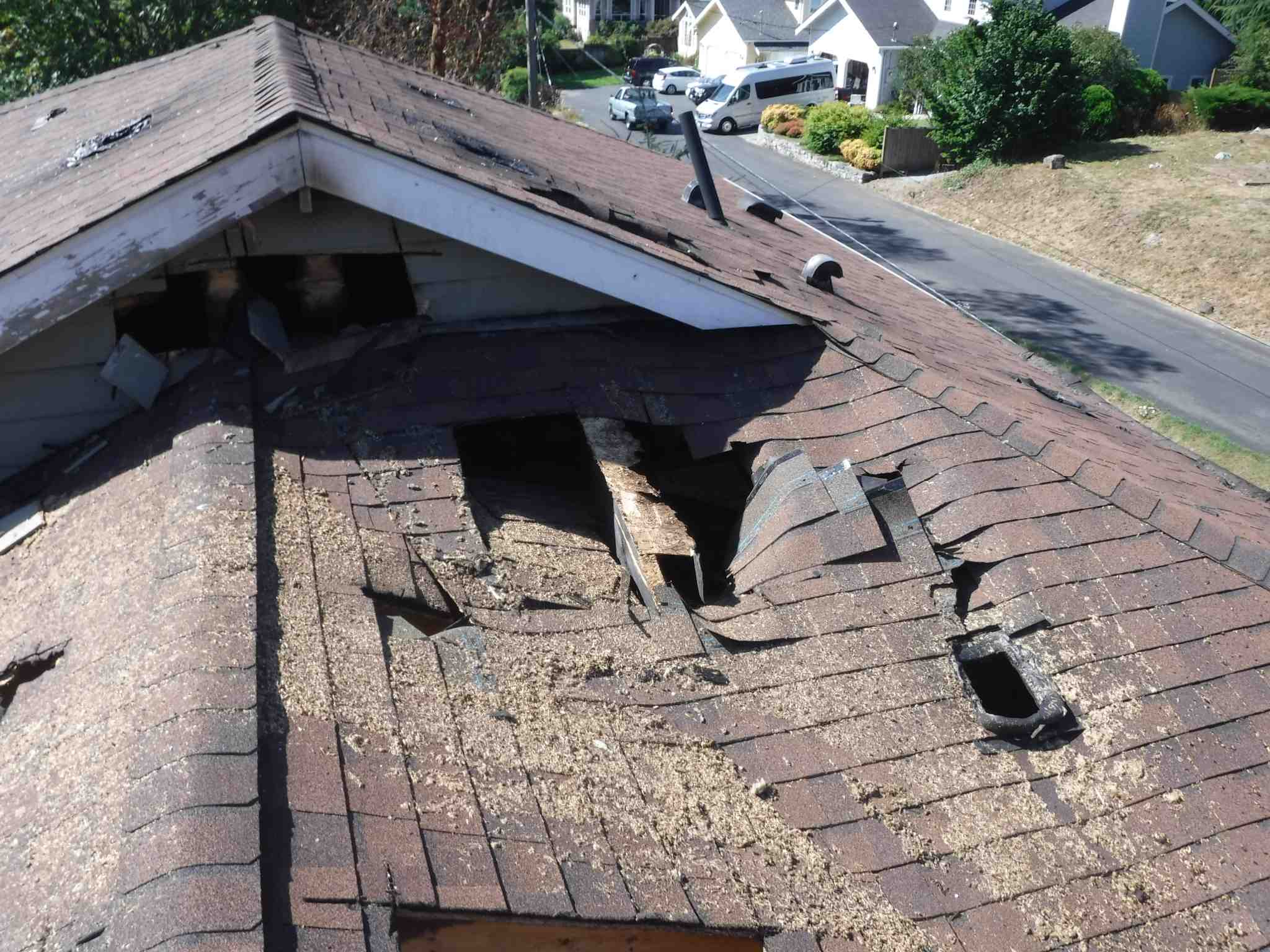
In an age in which modernization often detracts from the charm of the past, the art of American Standard Restoration emerges as a vital effort to protect the integrity of historic craftsmanship. Many of us treasure the stories and history embedded in vintage elements, ranging from classic automobiles to beloved household items. American Standard Restoration seeks to celebrate this legacy by meticulously restoring these treasures to their previous glory.
It's not just about fixing or refurbishing; it is about grasping the original design, materials, and techniques that characterized the era. Every restoration project serves as a journey that bridges artisans with the heart of American history, permitting them to breathe new life into objects that have withstood the passage of time. As we dive deeper into this craft, we uncover the skills and passion that drive restoration specialists to make sure that these significant artifacts carry on to tell their stories for generations to come.
The History of American Standard Restoration
The Restoration Firm has origin in the early 20th century when property owners began to appreciate the value of protecting historical architecture. As urban areas grew and the demand for modern construction surged, many vintage homes faced the threat of being demolished or significantly altered. This period marked the beginning of a campaign focused on restoring and maintaining the distinctive characteristics of homes across America, ensuring that their architectural heritage would be protected for the next generations.
Throughout the years, American Standard Restoration evolved alongside the changing attitudes towards historical preservation. By the mid-20th century, advocates began to form organizations and advocate for guidelines that would help preserve the artistic integrity of traditional homes in America. This era saw a revived interest in craftsmanship and high-quality materials, highlighting the importance of retaining original features intact while using modern techniques to enhance durability and functionality.
Today, American Standard Restoration embodies a commitment to honoring the cultural and historical importance of properties across the nation. As the practice of restoration have developed with technology, there remains a deep appreciation for traditional methods and artistry. This commitment allows new generations of homeowners to enjoy the beauty and character of restored homes, providing a tangible link to the past while ensuring they remain functional and relevant in contemporary society.
Methods and Methods
American Standard Restoration necessitates a profound grasp of traditional techniques and a commitment to preserving the authenticity of the pieces being rehabilitated. Each assignment begins with careful investigation to identify the original materials and techniques used in the construction of the item. Fire damage restoration Tacoma WA informs craftsmen in making educated decisions about repairs, making sure that the finished product remains true to its origins. Expert craftsmen often employ period-appropriate tools and techniques, such as handcrafted techniques and classical joining techniques, to maintain the integrity of the rehabilitation effort.
One notable technique employed in our practices is the use of proven finishing techniques. Artisans carefully choose coatings that replicate the true look and safeguard the surface while allowing the piece to air out. Techniques such as polishing techniques or the application of natural oils help to achieve a rich, genuine patina that only comes with time. These coatings not only enhance the visual qualities of the piece but also add to its durability, making it possible for future generations to value the craftsmanship.
In furthermore to finishing, rehabilitating operability is a vital aspect of the process. This includes repairing moving parts, restoring surfaces, and ensuring that any functional parts operate fluidly. By meticulously paying attention to both the structural and visual components of the restoration, artisans ensure that the items are not only visually attractive but also practical for daily use. This holistic method to rehabilitation respects the original design while bridging the divide between past and present, resulting in a beautiful blend of heritage and utility.
Challenges in Preservation
Keeping American Standard fixtures presents distinct issues that can complicate the repair process. One significant obstacle is finding original parts. A lot of vintage models are no longer in manufacture, making it challenging to find authentic components necessary for a complete restoration. Such scarcity often compels restorers to face tough decisions between adopting reproduction parts or altering existing pieces, which can dilute the integrity of the restoration.
Additionally, exists in the materials used in older fixtures. Many American Standard products were made from lead-based materials or other substances that are deemed safe. When restoring these items, it is crucial to balance preserving the integrity of the original design while ensuring security and compliance with modern regulations. This can require extensive research and occasionally even innovative engineering solutions.
Lastly, the aesthetic and functional expectations of modern bathrooms can conflict with the historic appeal of American Standard designs. Clients may wish for modern conveniences or efficiencies that older fixtures do not offer. Restorers must navigate these expectations, often providing inventive compromise solutions that respect the historical context while accommodating contemporary needs, ensuring that the charm of American Standard heritage is not lost in the modern age.